THREAD
Find out what's on our radar through a month-long exchange.
Gain insight into what we’re reading, noticing, and thinking about.
Central and Southern Africa countries in the World Cup
The World Cup fever is building. Even I have caught it, especially now that the tournament has reached its second phase. I still haven’t decided which country I am rooting for, but that hasn’t stopped me from noticing something else.
In every public place where I have watched the matches, people seem quick to rally behind African teams. The exception, of course, is South Africa, whose growing reputation for xenophobia has made it a harder team for many Africans to embrace.
But every World Cup leaves me with the same question. Why is Africa’s football story still so heavily dominated by a handful of countries? What has held back much of Central and Southern Africa from becoming consistent contenders on the world’s biggest stage?
A new year often marks the start of new chapters. In recent weeks, many leaders and entrepreneurs we’ve spoken to in Kigali have said the same thing, in different ways: January is a moment to pause, reassess, and reset.
Around them, friends and families do something similar, filling journals with resolutions and plans. It is rarely a wrong time to reflect on what’s working and isn’t.
With The Kigalian, we’re publishing again. And Thread is part of that return. It’s designed to be a space for slower, candid exchange between our writers and contributors over the course of a month. Think of it as listening in on an ongoing conversation, writers gathered around a coffee table at one of our favourite cafés, with a bookish atmosphere, unhurried music in the background, and enough quiet to let ideas wander before they settle.
Over the past year or so, our reading shifted. We were even more drawn to work that resisted urgency: essays that complicated their own arguments, profiles that focused on how people think, books that trusted the reader with time and ambiguity. Much of it circled familiar questions: how decisions are made, how institutions shape character, and how culture and ambition quietly influence one another.
What follows here will take different forms. Some entries will be reflective, others more argumentative or observational. Some will respond directly to what came before; others will widen the frame. The aim is not tidy conclusions, but continuity of thought — ideas unfolding through conversation, given time to develop.
Is it not January?
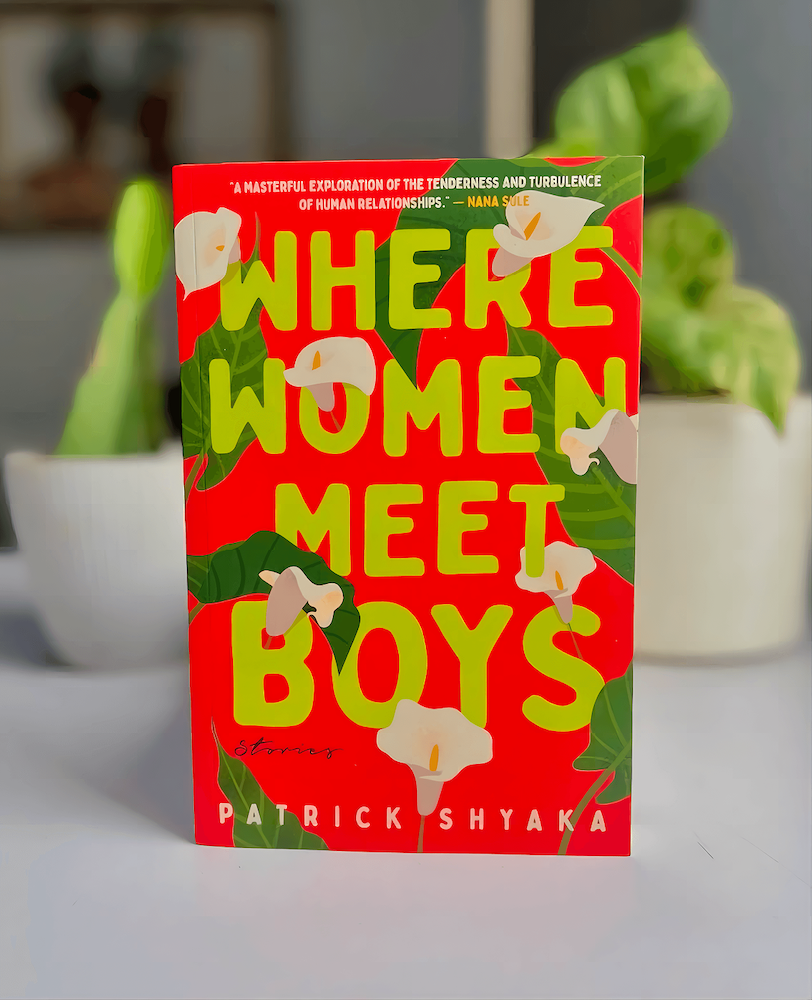
That image of a table and a few chairs fits. Much of what I enjoyed reading this past year came from writers who weren’t in a rush to conclude and who trusted the reader to sit with a thought a little longer. I also enjoyed reading “Blank Space: A Cultural History of the Twenty-First Century” by W. David Marx. Thanks for the recommendation, by the way.
That feels like the right tone for this space too: notes exchanged, ideas tested, some left unresolved.
Alas, what have you been reading (or watching, for that matter) lately?
The right tone for Thread: notes exchanged, ideas tested, some left unresolved.
What I have been reading? Nothing to talk about.
Nothing to talk about.
I’ve been reading with intention this year, which is another way of saying I’ve been reading slowly and pretending it’s discipline. Sorry for being late to the party, but I must add these books to our list: my top mentions from last year will include "Dream Count" by Chimamanda Ngozi Adichie. It’s elegant, sharp, and quietly ambitious — a novel about love, ambition, and the costs of wanting more than one life at once. It lingers, which feels like a compliment these days.
I also spent time with "Slow Poison" by Mahmood Mamdani, which is slower still, but deliberately so. It traces how political violence accumulates over time, not in bursts, but through structures that normalise harm. Not light reading, but necessary reading.
Perhaps on my list this new year is "More than a Crown", Naomie Nishimwe’s memoir. I’m curious about how she frames ambition, visibility, and the labour of being watched. These are things we talk around often, but rarely examine head-on.
And while we’re at it: why did we only just now discover Chacha Imfurikiye?
Late to the party, but new cool books.
Alright, Mahoro. Sounds like a beautiful season for you. It’s a long weekend in Rwanda. The first of February is Heroes’ Day, and the city feels momentarily less intent on moving forward. Fewer emails, lighter traffic, plans made without explanation.
Some people have left town; others are staying put, using the extra day for things usually postponed: visits, rest, unhurried meals. Cafés are fuller, afternoons slower. Time feels briefly negotiable. Heroes’ Day is meant to anchor national memory, but its most visible effect is this pause. A reminder that nationhood is not sustained only through commemoration, but through the shared decision to stop, remember, and resume together.
What do people actually do when time is returned to them, even briefly?
Holiday, Heroes' Day
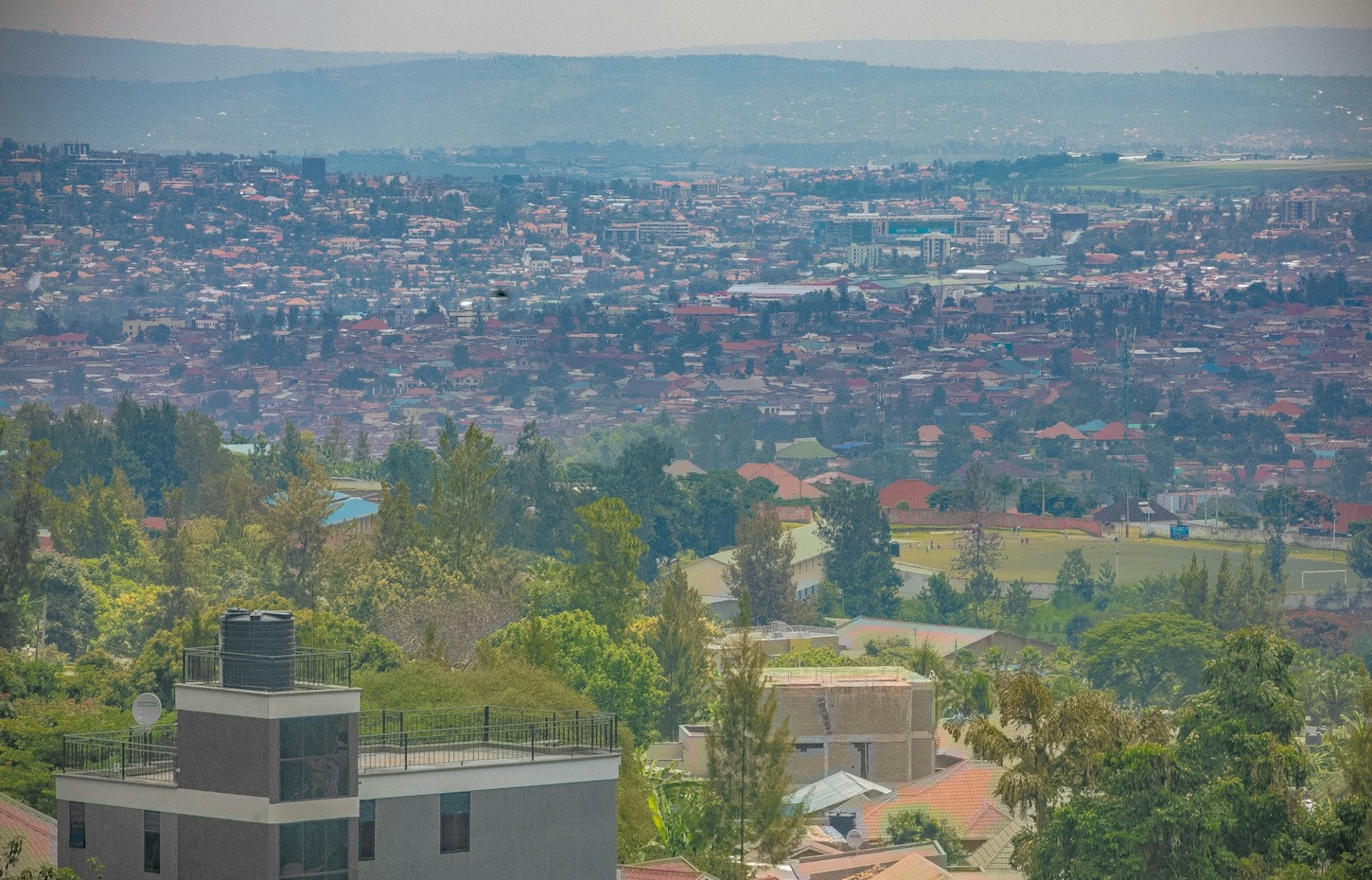
Kigali feels different these days, and you don’t need a map to notice it.
Neighbourhoods are filling up. Cafés are everywhere. People are out, but also somehow more tucked into their own corners. We meet over coffee (or tea?) more often now, not always because we want to, but because it’s one of the few easy places left to sit, talk, and take a pause.
That’s why the work happening around wetlands and green public spaces is genuinely exciting. It’s not just about making the city look better. It’s also about giving people places to exist without an entry fee. Somewhere to walk, sit, think, or just watch other people go by. Cities need that kind of openness. It keeps them human.
As Kigali grows denser, community life is shifting too. You can see it clearly in Umuganda. What used to feel like collective work in shared spaces now often leans toward cleaning our own compounds, followed by civic meetings. Less shared labour, more coordination. Less chatting while working, more listening and aligning.
That change isn’t necessarily bad. It’s urban life doing what it does. But it does raise a question: if old forms of togetherness are thinning out, where do new ones grow?
Maybe part of the answer is in those green spaces. Parks don’t replace community work, but they offer something else. A low-stakes way to be together. No agenda. No checklist. Just people sharing a place.
February is when these shifts become easier to spot. Not because anything dramatic happens, but because routines settle in. And once they do, you start to see what the city is quietly becoming.
Happy February!
Rules and Routines, Drink and Eat Houses, Plans Ahead
I caught a glimpse of Umushyikirano early on Friday — the second and final day of the national dialogue — last week mostly to catch up on what I had missed. Much, it seems, has changed. Having been a while for years, I hadn’t even realised it now takes place at the Kigali Convention Centre, which is good news. The move alone suggests a scale that allows more people to attend in person.
I remember attending one at Parliament some ten or twelve years ago. The room felt small for a few hundred people from different walks of life. Communication leaned heavily on Rwanda TV, call-ins, and a controlled format. This time, there seemed to be more happening at once. More screens. More moving parts. More faces I didn’t recognise, including social media personalities who would once have watched from afar.
Umushyikirano is only found in Rwanda! Elsewhere, it will be a copy.
— Dr. Mick Ndayishimiye (@DrMick250) February 5, 2026
It’s a home grown solution entirely crafted by Rwandans for Rwandans and rooted in history.
It’s a National Dialogue Council chaired by the President himself that allows citizens to engage directly with… pic.twitter.com/KRxbcTeFps
Otherwise, it still felt like the classic Umushyikirano. The president firmly at the centre, which is fair, given the format. Presentations appeared more structured, perhaps more restrained. And yet it remains one of the country’s most important national communication platforms.
What would interest me more is its next evolution. Could it grow into something closer to a conference; with breakout sessions, targeted conversations, independently run side events, perhaps even ministry-led forums happening alongside the plenary? As we speak more about citizen focus, sustainability, and long-term planning, could the design of the event itself become part of the conversation?
And what would Umushyikirano look like if participation expanded not just in numbers, but in format?
Signalling evolution without sounding critical.
At Umushyikirano, the Minister of Foreign Affairs described Rwanda as a “trusted, respected, reliable partner.” It was a concise framing of the country’s international posture: disciplined, steady, predictable. In a fragmented global climate, that reputation is not accidental. But another theme from the dialogue deserves more scrutiny: monetising social media.
The enthusiasm was palpable. Those who spoke framed it as a frontier of opportunity, especially for young people. But monetisation is not as frictionless as it often sounds. Algorithms are opaque and platforms are external. Revenue models shift without notice. The global digital economy rewards scale, speed, and niche consistency, not simply presence.
It is one thing to encourage young people to “create content.” It is another to build the advertising markets, cross-border payment systems, intellectual property protections, and regulatory clarity that make digital income sustainable. Without those foundations, the promise risks becoming motivational language rather than economic policy.
Reliability abroad rests on systems, and so does digital prosperity at home.
If we are serious about scale, whether diplomatic or digital, structure must come first.
On diplomacy abroad and digital ambition at home
My love for plants goes way back. I do not remember when it started. Maybe it was the quiet of watering in the evening. Maybe it was watching something small insist on growing. Flowers came later. Or perhaps they were always there and I only learned to notice them.
I will admit this, though: roses have never been my favourite. They try too hard, I find. They arrive with a reputation. And in red, they can feel almost theatrical; unless they are in a garden, where they belong and make sense. But in February, I soften. I get it, so I like seeing them everywhere: On street corners, in neat bouquets but especially wrapped in kraft paper. Beige and white are what make sense to me. They do not shout. And they stay.
I suppose this is my roundabout way of saying: happy Valentine’s weekend.
If you see peonies, take a proper picture and send it to me. Not a blurry one. I want evidence.
If you see tulips, pick one. Walk around with it and pretend you are in a fancy film. You can brag to me later.
But if you see ranunculus (now we are serious), call me. Or send the location pin. I will rearrange my schedule, I will literally show up.
Orchids? I will not even say much. As of February 2026, I am a dad of two phalaenopsis orchids. They sit quietly and judge my (watering) schedule. They demand discipline and they reward patience. I now read books and write stuff beside them, as if they are small, elegant supervisors of my literary life.
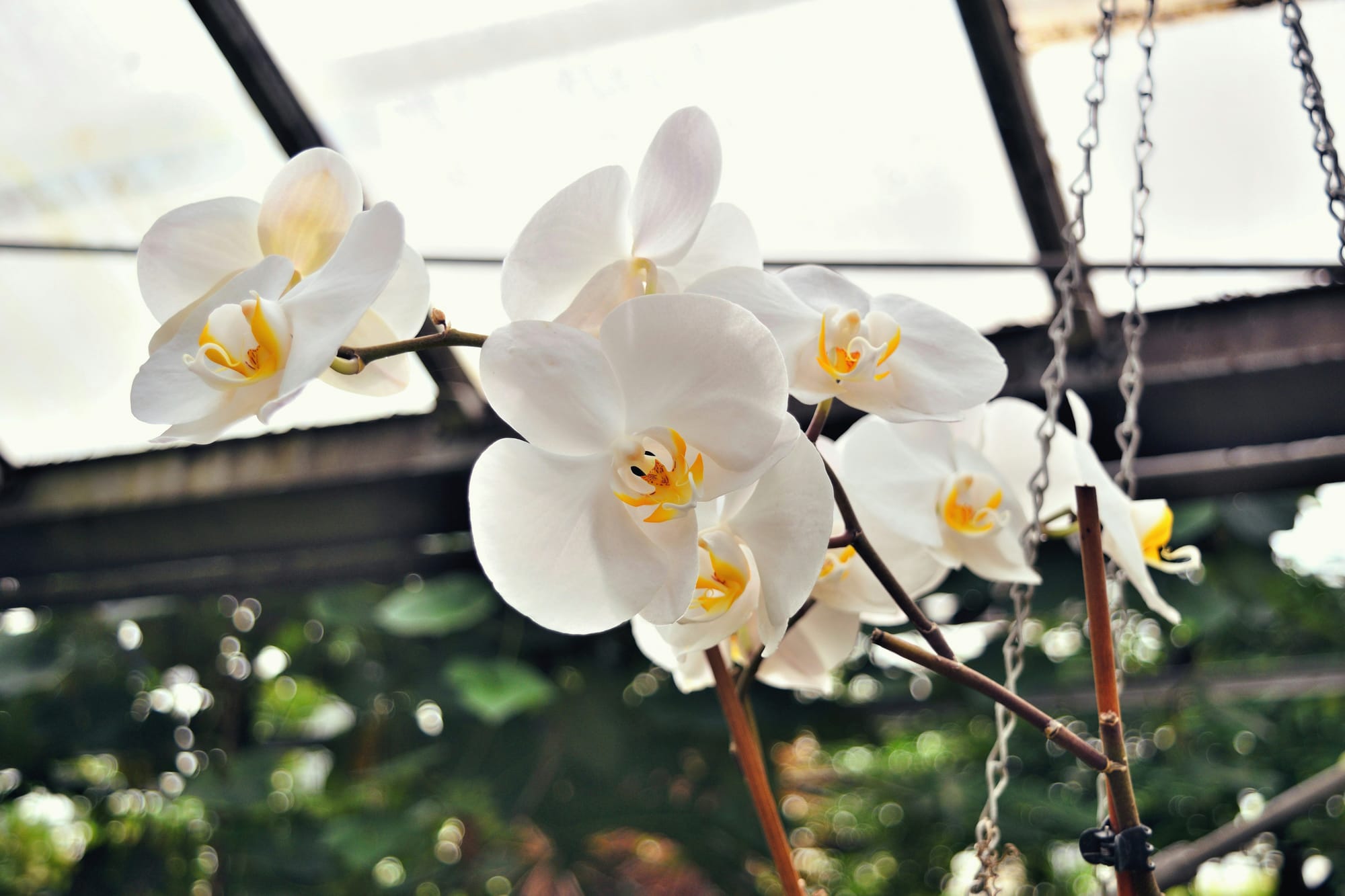
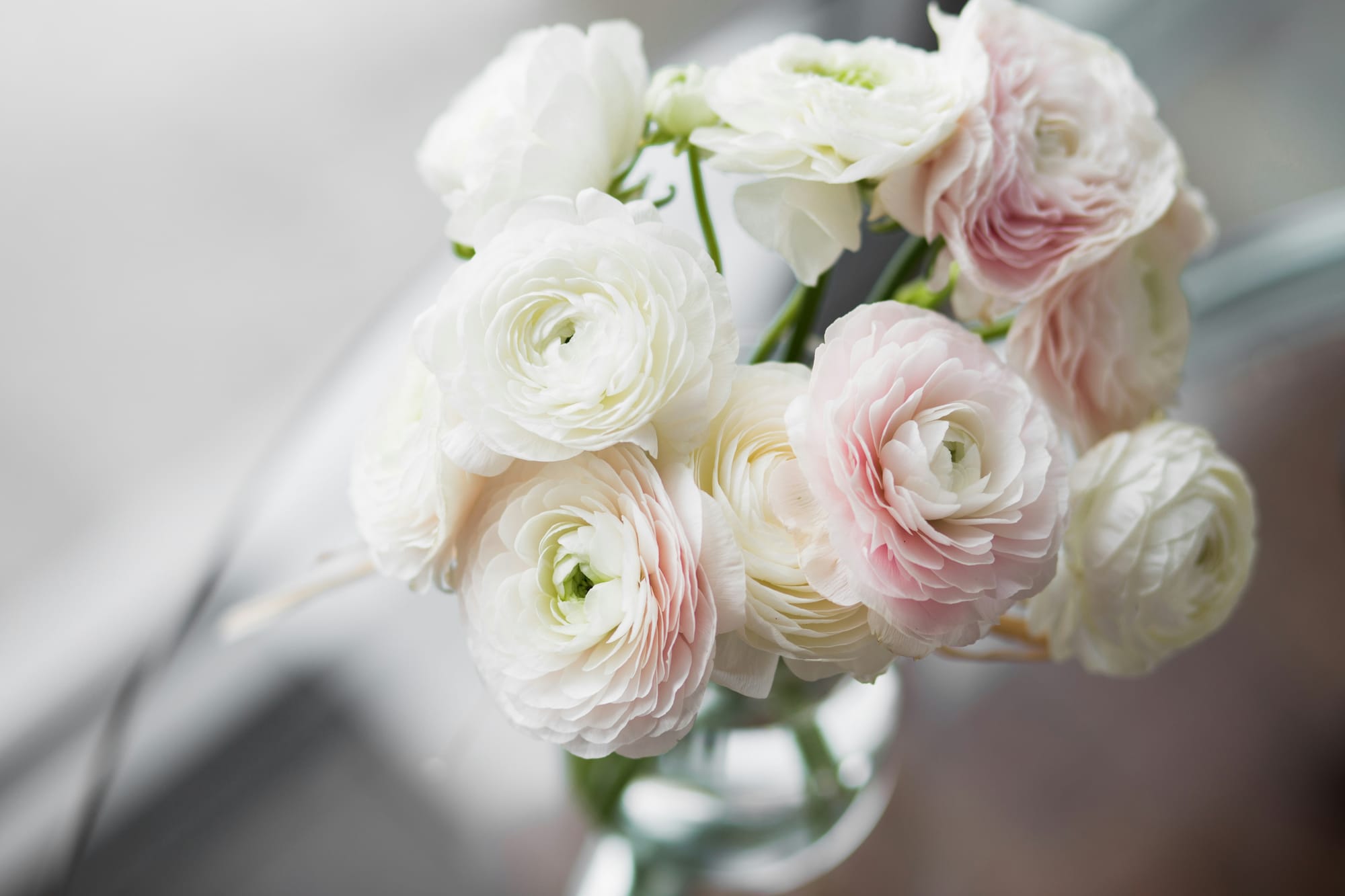
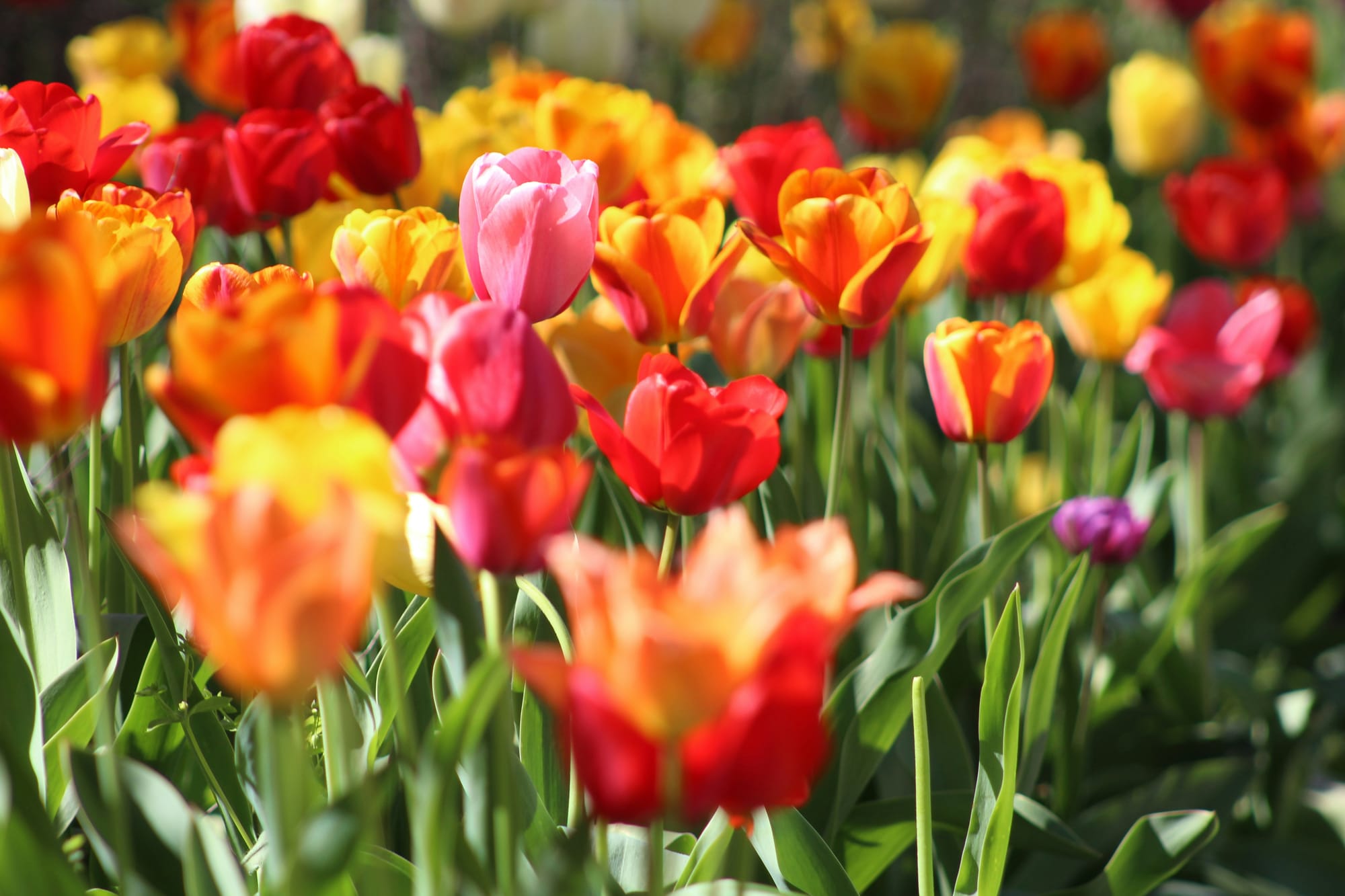
From left to right: Phalaenopsis orchids, ranunculus, and tulips.
Yes, love can be grand. But it can also be botanical. Small, precise, seasonal.
Cheers, love.
On February flowers, quiet preferences, and when to send the location pin
Wonderful. I doubt I will see any of those flowers. Peonies? Unlikely. Ranunculus? Not in my orbit. Roses, it is. Roses we go.
Speaking of February, I my favourite new cliché-eusque saying is, "I love love." It sounds obvious and, at times, it sounds borrowed, but it works. There is something about this month that makes even the sceptics soften a little, maybe Rwabigwi is onto something. Even the timelines feel warmer, don't they?
On a more practical note, for those who care about such things, we are preparing to publish our first list of the best cafés in Kigali. Yes, finally.
In case you missed it, here is what our criteria look like:
How We Rank Cafés
Weighted criteria and collective editorial review — prioritising longevity, execution, and consistency — put to use.
 Brian Gatera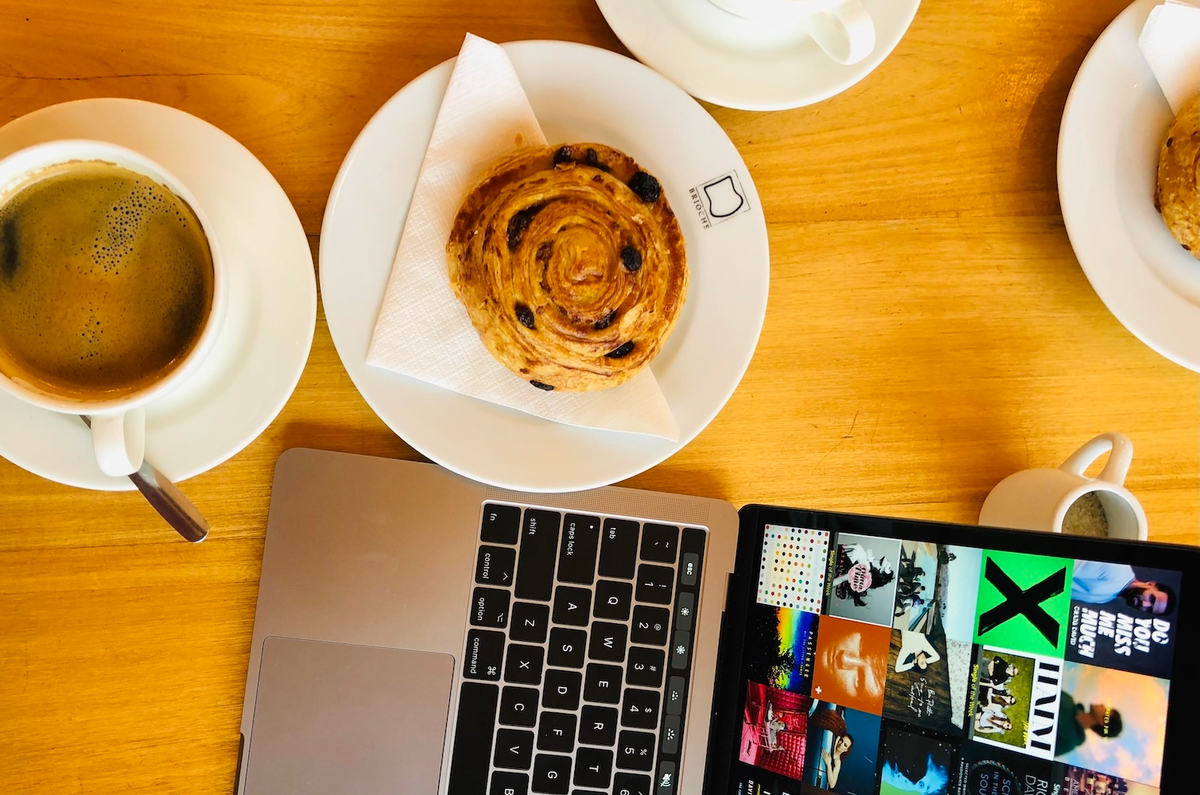
Flowers? Fine.
Some fifteen years ago, I read Philip Gourevitch’s story in The New Yorker about “Rocky,” the Rwandan rider who lost an eye in an accident and, while recovering, asked for rollers so he could keep training. Cycling, Gourevitch wrote, is not really about winning but about refusing defeat; you go down, but you do not drop out.
What a Bicycle Carries
In Rwanda, the bicycle moves goods, memory, and a stubborn refusal to stop.
 Gilbert Rwabigwi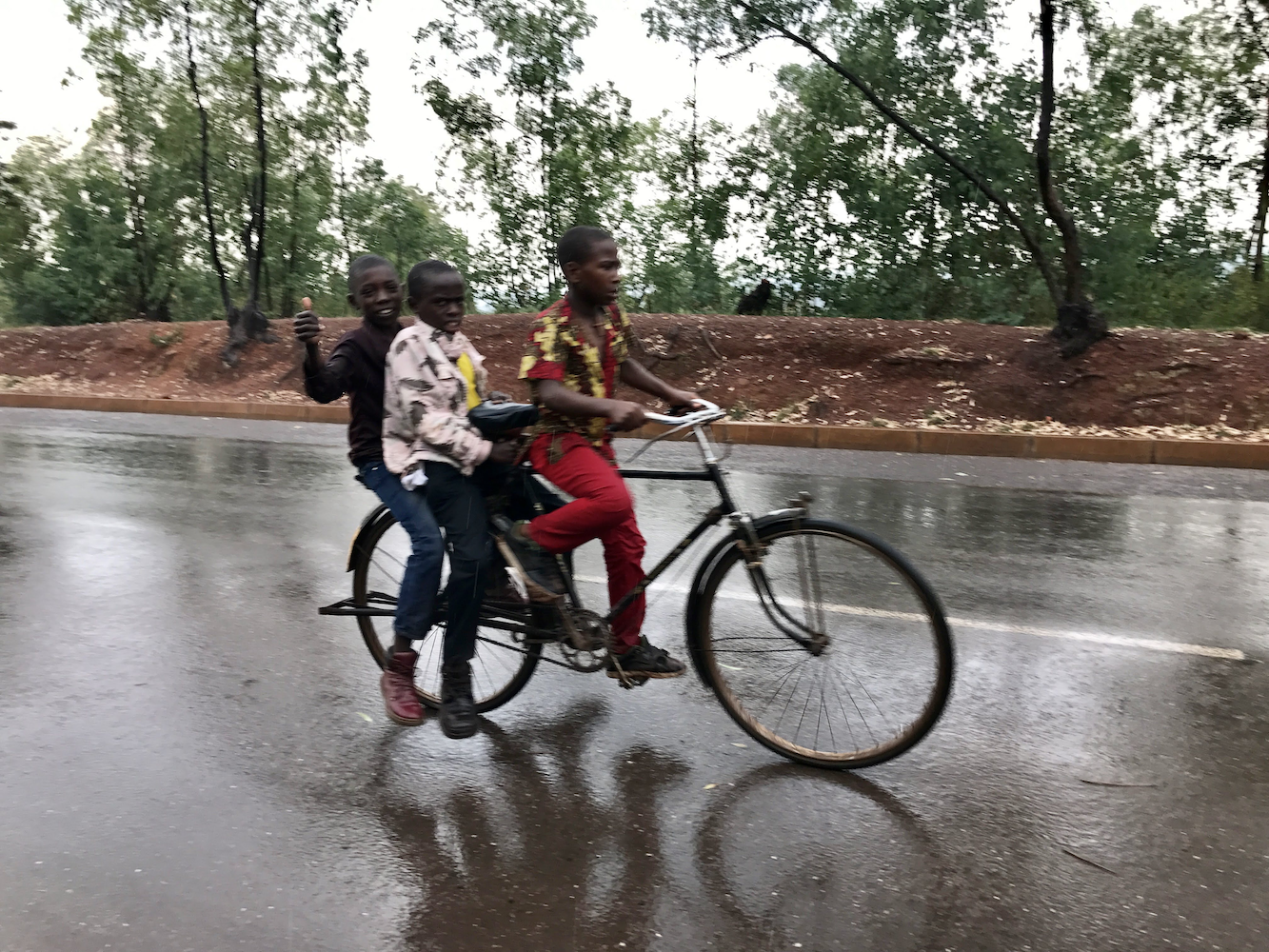
As Tour du Rwanda returns this week, and Rwandans gather again along the roads and hills to cheer, that story comes back to me. The spectacle is exciting, yes. The jerseys, the flags, the caravans. But somewhere beneath it is something quieter and more familiar: the simple insistence on getting back on the saddle and pressing forward.
Cycling, memory, and insistence.
Lately, I find myself drawn to artists who do not rush to impress. The ones who are measured, almost restrained, who let silence do part of the work. Listen to Chacha Imfurikeye, or notice the textured calm in works like Vinxi's. There is no desperation in the delivery. No need to overwhelm; just control.
And in a time when visibility often feels like the only currency, that kind of quiet confidence feels almost defiant.
At the same time, we are constantly told to monetise ourselves. Turn the hobby into a stream of income. Turn the stream into a brand. Platforms reward speed, repetition, scale. The pressure is subtle but persistent: if you are not converting attention, are you wasting it? Yet soft-spoken art does not always fit that model. It grows slowly and it asks for patience.
And maybe that is the real tension: not every voice is meant to shout just to survive.
On quiet art and the pressure to turn everything into income
Oil, sanctions, and the cost of escalation
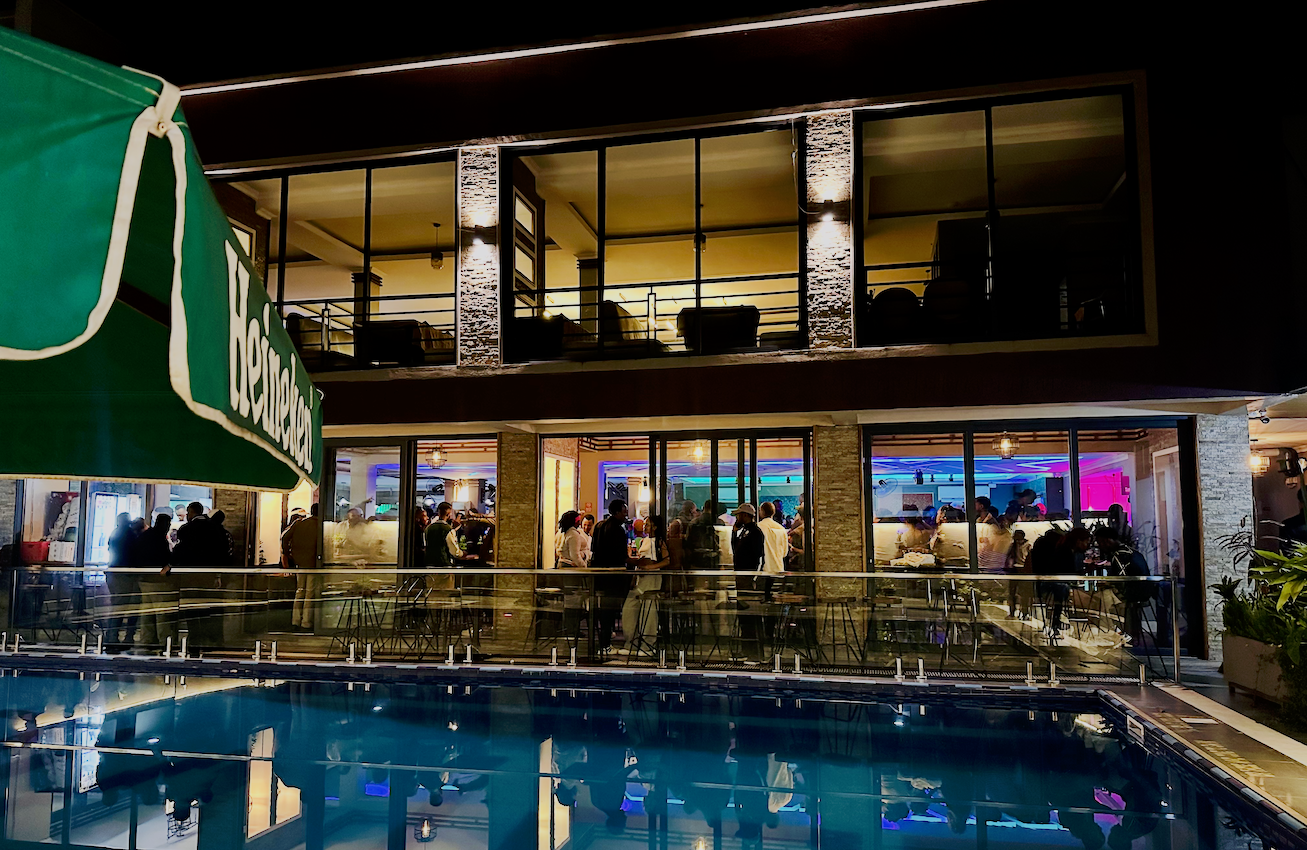
I was clubbing in Musanze the weekend the United States and Israel began bombing Iran. Alerts and news briefings kept lighting up my phone while I chatted with friends who were in town for the Tour du Rwanda. The plan was simple: meet, share a drink, and see what this part of the country looks like at night. Musanze did not disappoint.
Over that weekend, and in the days that followed, commentators rushed to offer their verdicts. The usual warnings about escalation appeared quickly, along with the darker predictions about a looming Third World War. You will not be surprised to know that this writer finds much of that far-fetched. There are risks, of course. But even with unpredictable personalities in high offices, and the daily noise of social media, humanity has never had better tools and knowledge to manage conflict and avoid catastrophe. You do not have to be a devoted reader of Steven Pinker or Hans Rosling to see the broader trend: the long arc still bends toward improvement.
Thanks to my colleagues, particularly Beatrice, who keep helping us focus on both the big picture and the smaller details that matter.
I mention this because while the Middle East deserves attention, one way to remain sane in a noisy world is simply to go on with one’s day.
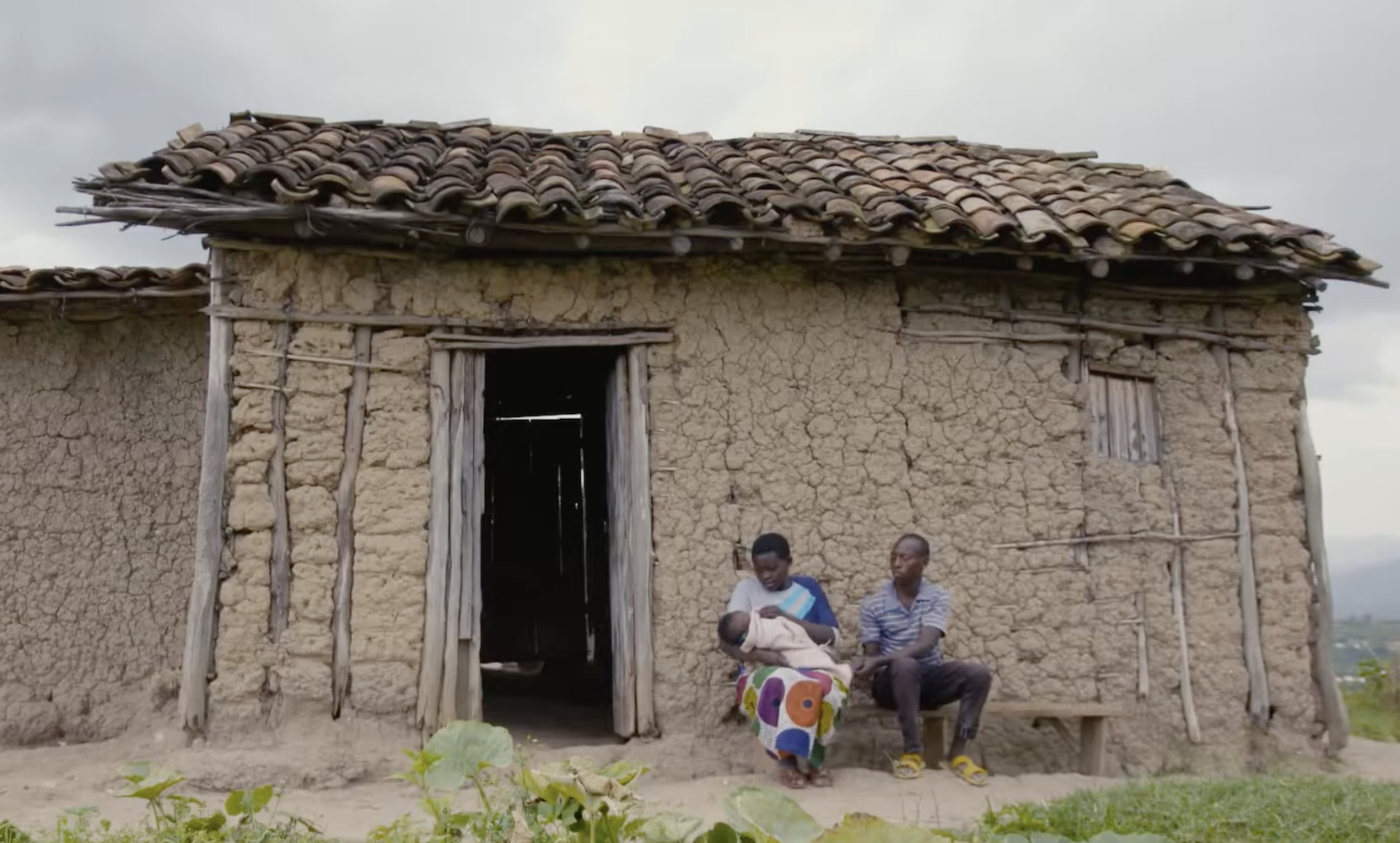
And sometimes the smaller stories are the ones that remind you what progress actually looks like. This week I travelled to a village outside Musanze with a group of friends from GiveDirectly, a nonprofit working on unconditional cash transfers. We spent the afternoon with families who are quietly building new possibilities for themselves.
While the world debates war, life goes on in Musanze.
Sunday Night Music
The year already feels older than five months. Since we paused publishing in April and May, global trade has deepened, geo-political conflicts have intensified, and uncertainty has continued to shape headlines around the world. Even as optimists among us, there has been no shortage of unsettling developments across Africa and beyond.
A major political rift emerged in Senegal. South Africa surprised markets by raising rates for the first time in three years in an effort to contain inflation. In Kenya, protests over fuel prices highlighted growing economic pressures. Meanwhile, health authorities responded to a new Ebola outbreak in eastern Democratic Republic of Congo.
In Rwanda, as the thirty-second commemoration of the Genocide against the Tutsi shaped much of April's public life. The capital also hosted another sequence of the Africa CEO forum and a nuclear energy and innovation conference debuted. All this recalls one of the predictions we made for this year.
Beyond politics and economics, sports offered its own moment of drama. As European football reached its climax, Kigali was preparing to conclude another season of the American NBA-sponsored Basketball Africa League. The tournament ended on a high note for local supporters as RSSB Tigers lifted the championship trophy.
If the first half of the year is any indication, June is unlikely to be quiet. The pace of events shows little sign of slowing. The only question is what surprises await next.
A Lot Has Happened Since April
The World Cup fever is building. Even I have caught it, especially now that the tournament has reached its second phase. I still haven’t decided which country I am rooting for, but that hasn’t stopped me from noticing something else.
In every public place where I have watched the matches, people seem quick to rally behind African teams. The exception, of course, is South Africa, whose growing reputation for xenophobia has made it a harder team for many Africans to embrace.
But every World Cup leaves me with the same question. Why is Africa’s football story still so heavily dominated by a handful of countries? What has held back much of Central and Southern Africa from becoming consistent contenders on the world’s biggest stage?
Why is Africa’s football story still so heavily dominated by a handful of countries?
Our latest long-form profile
Joe Christa Giraso Has High Hopes for Landscape Architecture
“The earth isn’t just for humans,” Giraso says. “It’s also for animals and plants."
Editor's Board
Glimpse on what's on top of our recommendations.
Load more
Our latest opinion entry
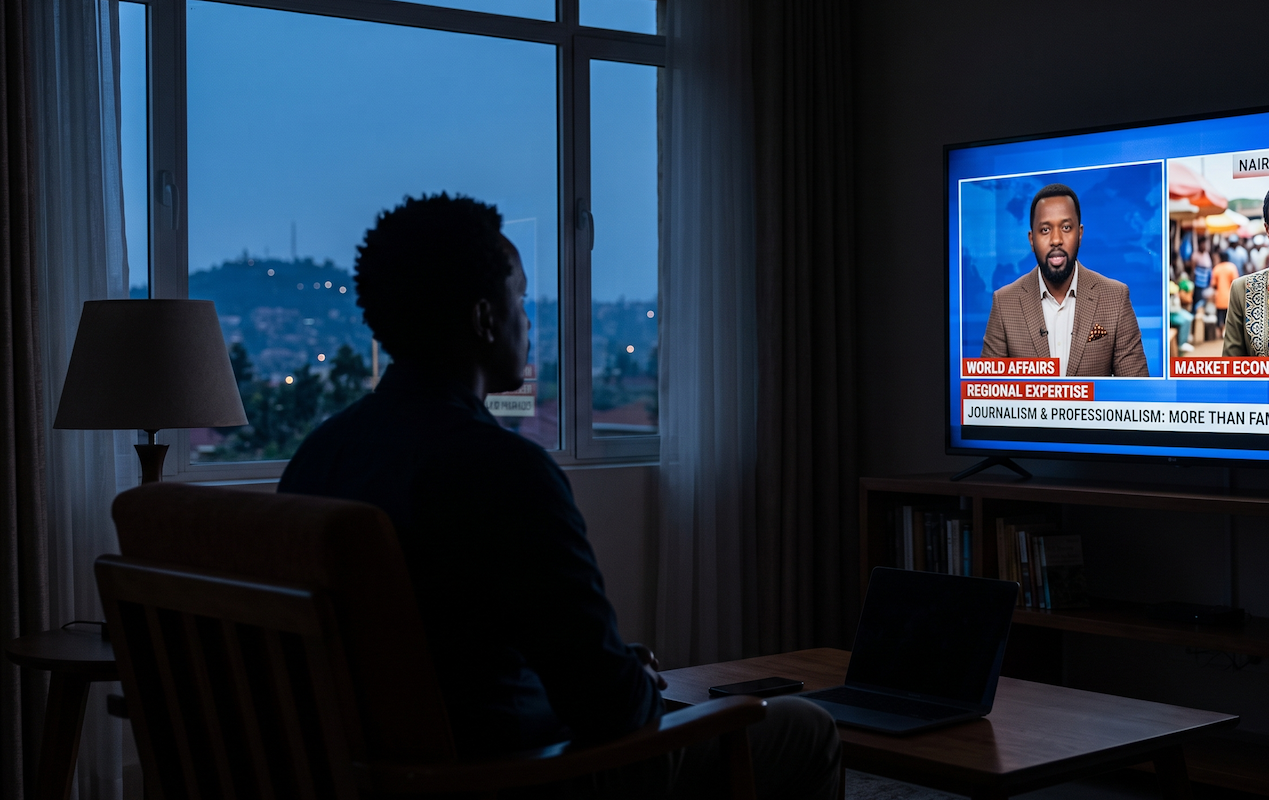
The News Wasn’t Broken. We Changed How We Consume It.
News wasn’t meant to make us angry every few minutes. It was meant to help us understand the world.
Causes
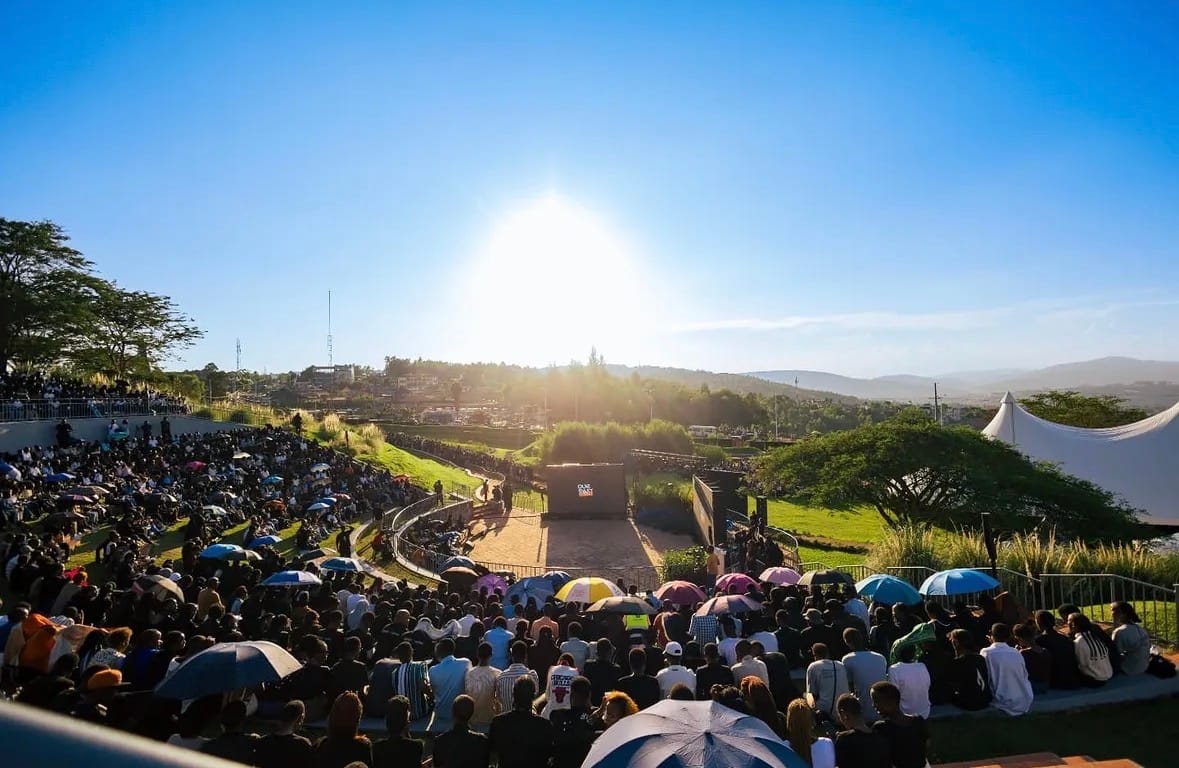
Find out which are the nonprofits we think are worth your attention.

From the Archive
Revisit some of our writing from the past.